The name of the city of Side most likely derives from the word Side, meaning “pomegranate” in Greek, itself probably adapted from an indigenous Anatolian place name.

The name Side is known to be related to the forms siduvanis / siduvañis used in the city, whose equivalent is thought to be Σιδητῶν (Sidetôn). It is also possible that the city’s name took the form Sidua in the Sidetic language and was connected with Hittite GIŠšaddu(wa)-, meaning “fruit tree,” and the Luwian root sedwa-.

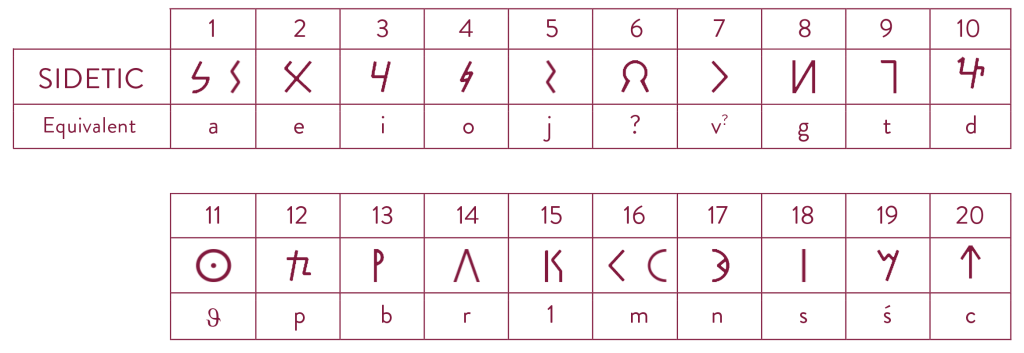
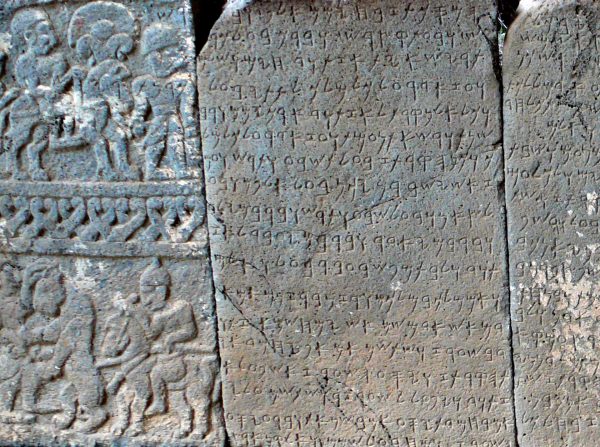
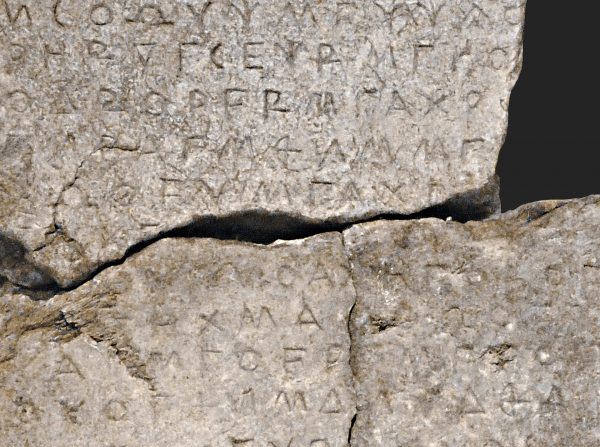
Sidetic, attested in the region of Pamphylia from the 5th century BCE onward, possessed a distinctive language and writing system. The Sidetic alphabet displays certain differences between its use on coins and in inscriptions. While the signs Ω and 𐌒 occur exclusively on coins, the signs employed in inscriptions exhibit a more pronounced degree of standardisation. To date, 27 signs have been identified through these written sources, and the phonetic values of some of them have been established on the basis of the limited number of Sidetic–Greek bilingual inscriptions (a, e, i, o, u, g, θ, m, n, p, r, t, and χ).

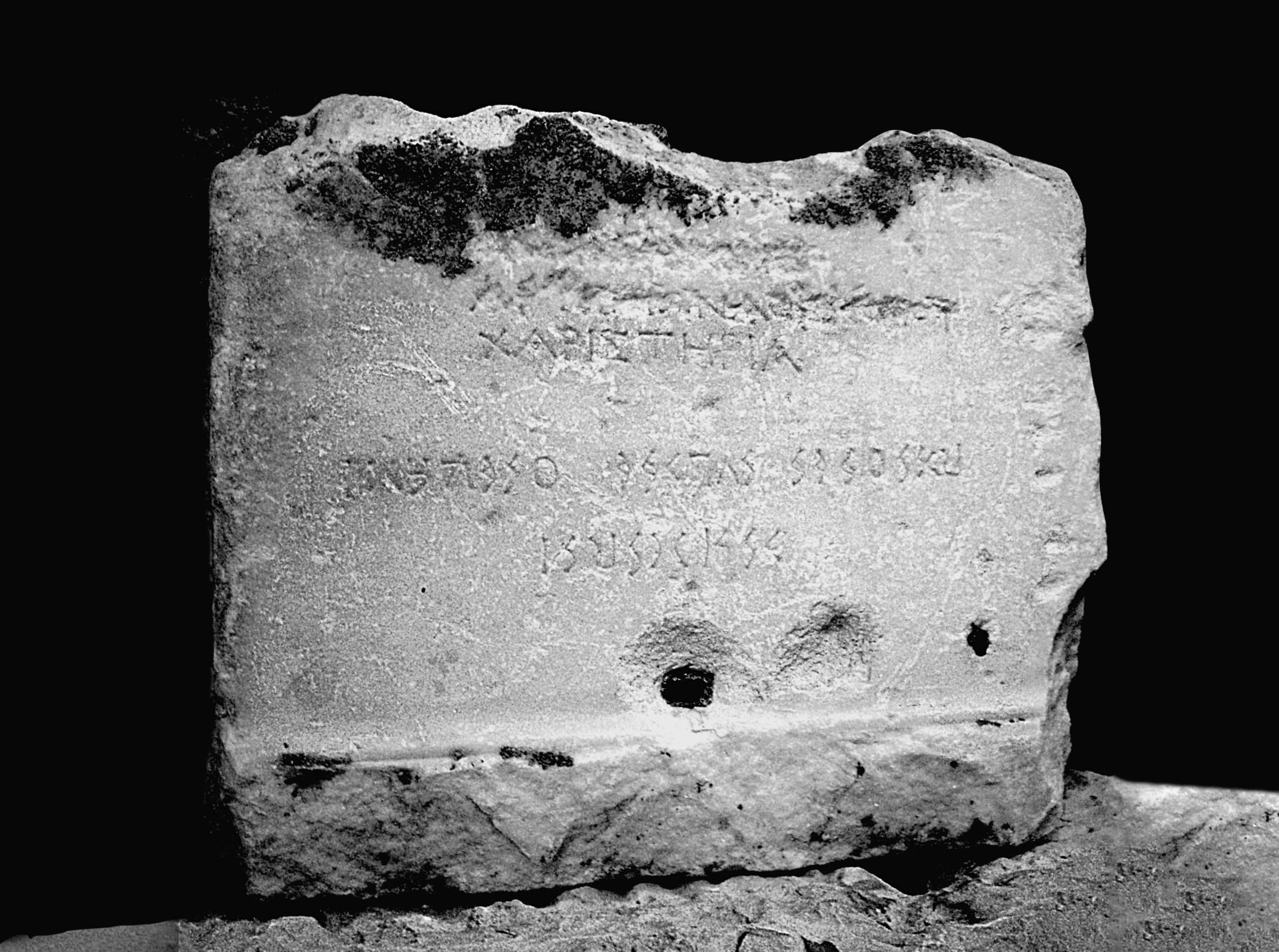
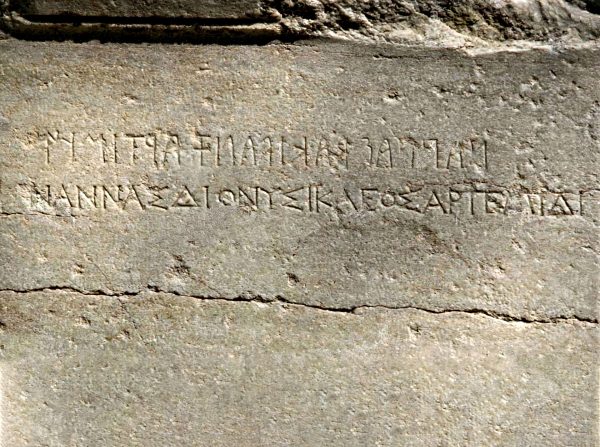
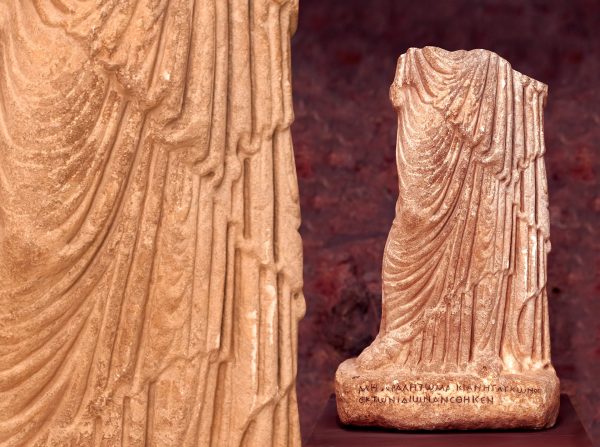
One of the bilingual examples that has contributed to the decipherment of Sidetic is an inscription on the base of a statue dedicated by Apollonios. In this inscription, a single line of Sidetic text is accompanied by three lines of Greek text. Texts of this kind have played an important role in deciphering Sidetic.


The Sidetic expression “polonij pordorz polonijaz masara tue(..)” corresponds to the following Greek text: “Ἀπολλώνιος Ἀπολλώνιος Ἀπολλοδώρου τοῦ Ἀπολλωνίου ἀνέθηκεν εἰκόνα τῆνδε αὐτοῦ θεοῑς πᾶσιν. Μνασέας Ἀρτέμωνος Σιδήτης ἐποίησε.”

[Apollonios, son of Apollodoros and grandson of Apollonios, dedicated this statue to all his gods. (The monument) was made by Mnaseas of Side, son of Artemon.]

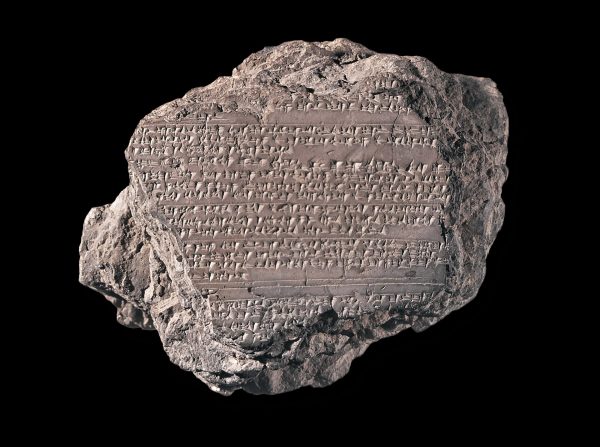
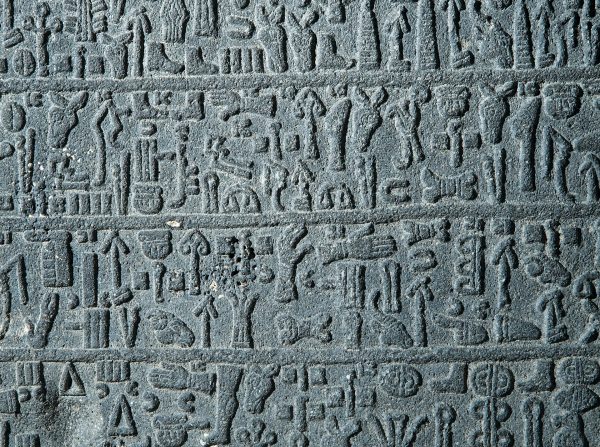
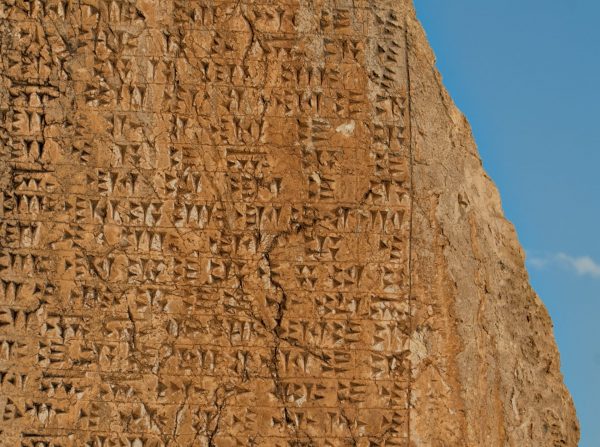
Sidetic is classified within the Indo-European language family. One of the grounds for this classification is the Sidetic word masara, corresponding to the Greek “god” (θεός) and derived from the same root as Luwian massani- and Lycian mahana-. Nevertheless, the relationship between Sidetic and Luwian and the other Anatolian languages cannot be established as a definitive linguistic affiliation; the available evidence indicates that this connection is limited. Sidetic is therefore regarded as a distinctive language of the indigenous peoples of Anatolia, incorporating influences from various linguistic traditions.

Tekoğlu, Recai (2024). “The Classical and Hellenistic Languages of Pamphylia.” Pamphylia: The Harmony of Peoples on the Fertile Plain, Yapı Kredi Publications, pp. 126–141.

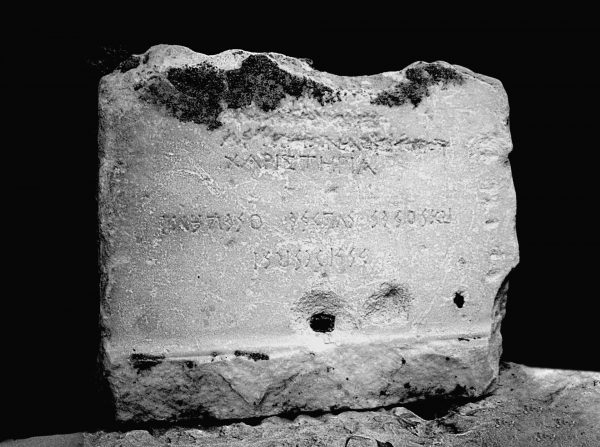
Votive Inscription for Athena

Place of Discovery: Side

Language: Hellenic-Sidetic

Date: 4th-3rd century BC

Material: Marble

“Artemon, son of Athenobios, dedicated this as a votive offering of gratitude to (the goddess) Athena.”

Discovered by Italian researchers Paribeni and Romanelli during the excavations held in Side in 1914, this inscription was re-deciphered by Johannes Nollé in the 1980s.

Other Anatolian Languages