The name Side is known to be related to the forms siduvanis / siduvañis used in the city, whose equivalent is thought to be Σιδητῶν (Sidetôn). It is also possible that the city’s name took the form Sidua in the Sidetic language and was connected with Hittite GIŠšaddu(wa)-, meaning “fruit tree,” and the Luwian root sedwa-.
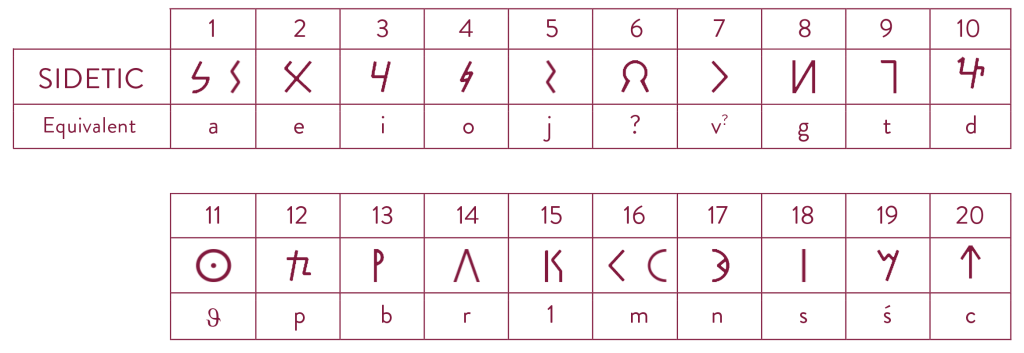
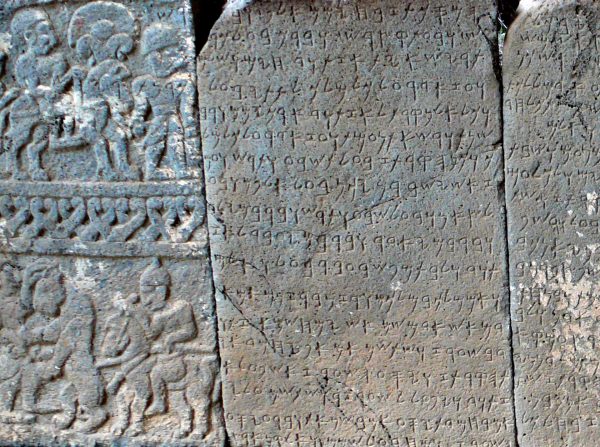
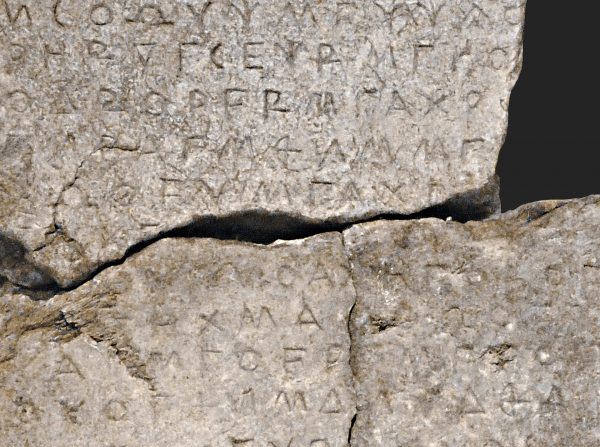
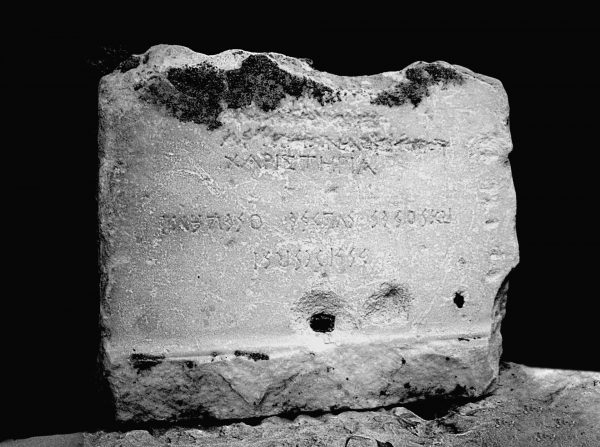
Sidetic, attested in the region of Pamphylia from the 5th century BCE onward, possessed a distinctive language and writing system. The Sidetic alphabet displays certain differences between its use on coins and in inscriptions. While the signs Ω and 𐌒 occur exclusively on coins, the signs employed in inscriptions exhibit a more pronounced degree of standardisation. To date, 27 signs have been identified through these written sources, and the phonetic values of some of them have been established on the basis of the limited number of Sidetic–Greek bilingual inscriptions (a, e, i, o, u, g, θ, m, n, p, r, t, and χ).
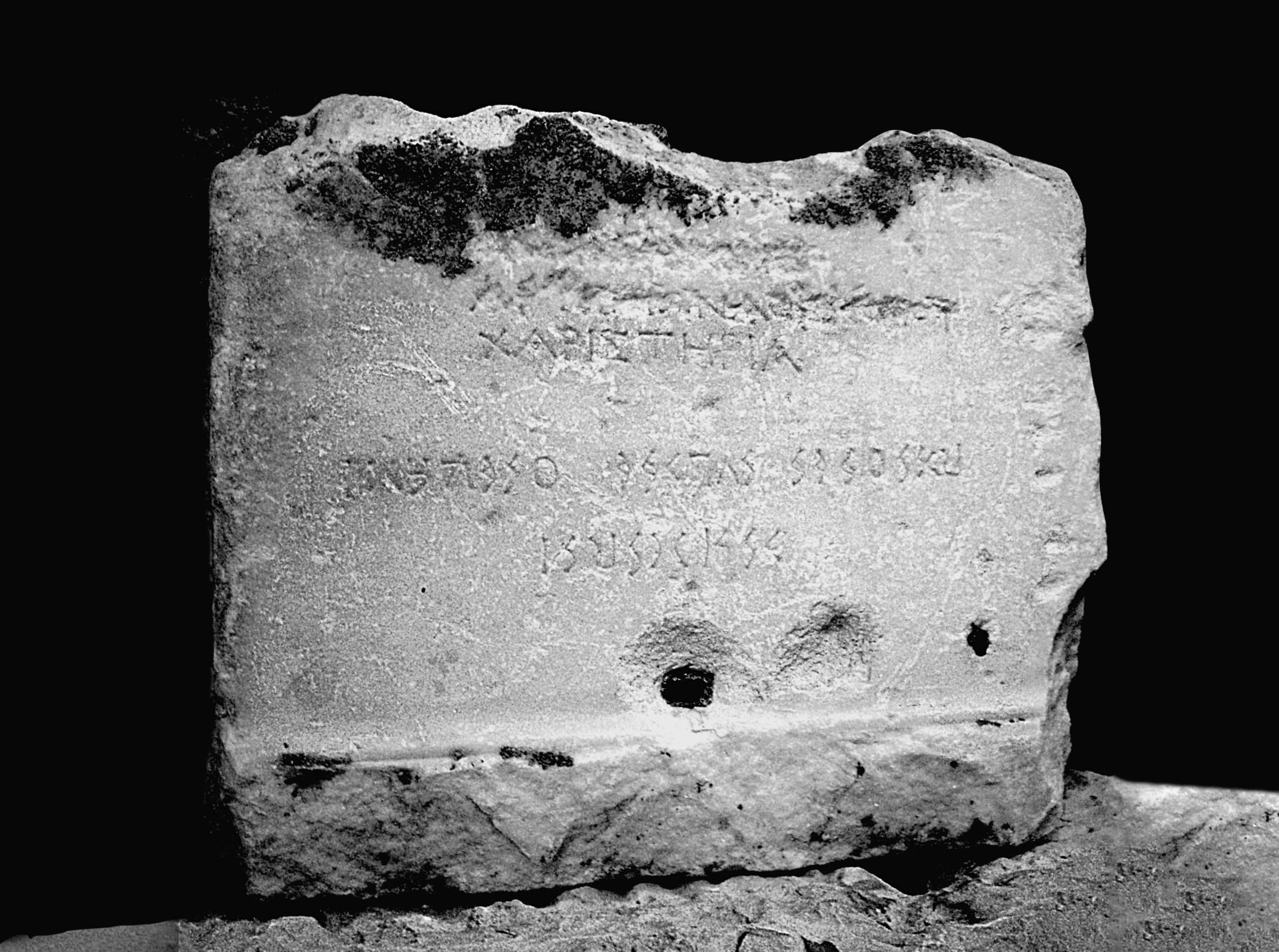
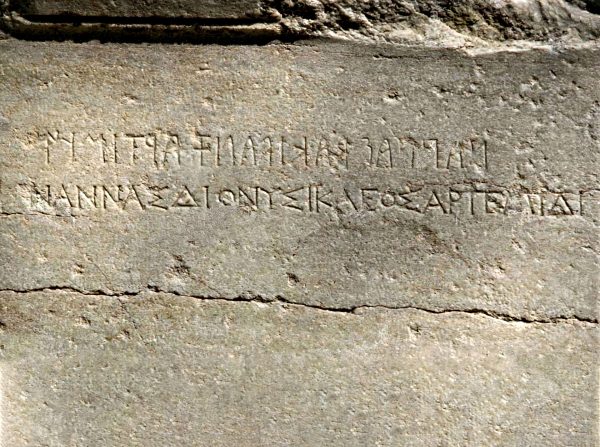
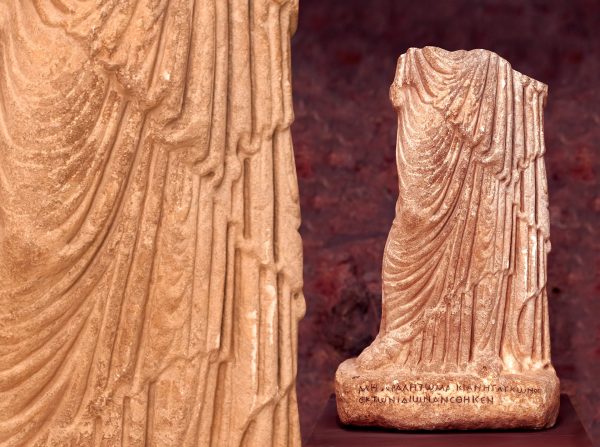
One of the bilingual examples that has contributed to the decipherment of Sidetic is an inscription on the base of a statue dedicated by Apollonios. In this inscription, a single line of Sidetic text is accompanied by three lines of Greek text. Texts of this kind have played an important role in deciphering Sidetic.